
Words Natasha Jackson, CPHR
Psychological Health & Safety Professional and Workplace Health Consultant
We all have behind-the-scenes footage and share our highlight reels at work and with the rest of the world.
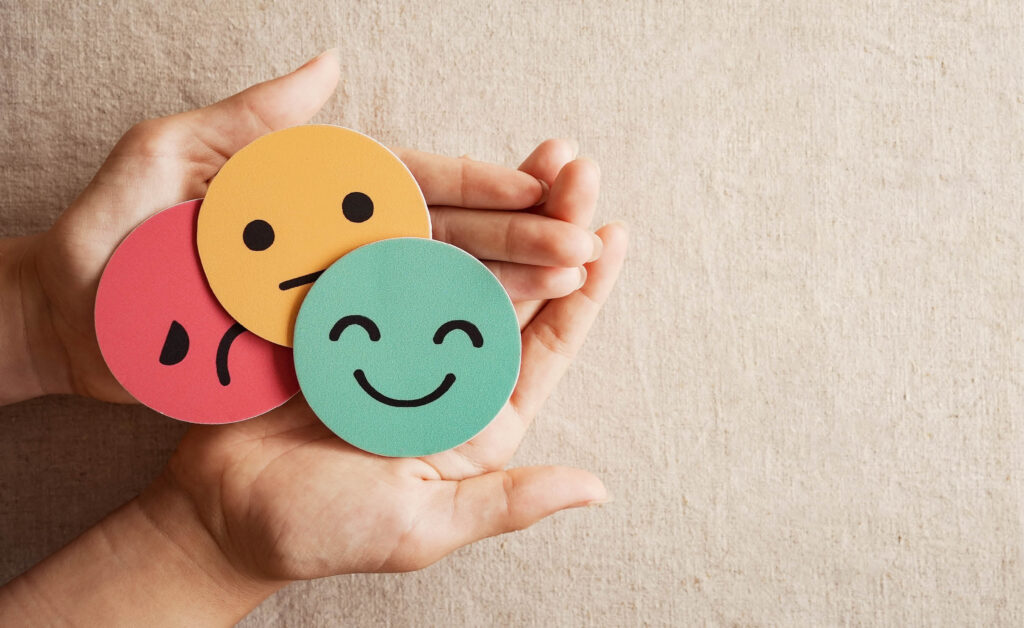
One in five Canadians faces mental health challenges each year, yet many hide their struggles behind curated personas. Mental health is inseparable from overall health, and understanding the mental health continuum – green (healthy), yellow (reacting), orange (injured), red (ill) – helps us track changes in well-being. Movement along this spectrum is natural and influenced by factors like sleep, nutrition and social connection.
Social media often shows only the highlight reel – perfect vacations and career wins – while masking hardships. This happens both online and in person, where people present polished versions of themselves while concealing struggles. These curated images and conversations create unrealistic comparisons that harm mental health. Research shows even brief exposure to idealized profiles can lower self-esteem and increase depression, not just in teens but adults too. Authenticity matters: sharing real-life challenges fosters connection and reduces isolation.
Our mental state shifts daily, just like physical health. The continuum tracks five areas: mood, thinking, behaviour, physical, substance use and addictive behaviours. Recognizing early warning signs matters. Staying in the green, or “healthy,” zone requires consistent care, attention, exercise, good sleep, nutrition and recovery. Even small actions, like a 30-minute walk or phoning a friend versus texting, can boost your mood.
Seeking help is strength, not weakness. Strong social connections improve health and longevity, yet stigma keeps many silent. Start small: reach out to one trusted person. Sharing your story encourages others to open up. Support networks, friends, family, healthcare providers and community groups are vital, especially when in yellow, orange or red zones.
Self-care does not mean doing it alone. It’s about creating habits that support your well-being while staying connected. For example:
- Walk with a friend instead of going solo.
- Join a fitness class or walking group for both movement and social interaction.
- Cook a healthy meal with family or friends to combine nutrition and connection.
- Schedule regular check-ins with a friend or an accountability buddy who understands your mental health goals.
And remember, sharing your struggles doesn’t mean sharing every detail. Simple phrases like “I’m having a difficult time” or “Things are hard for me right now” can open the door to support without oversharing.
Taking charge doesn’t require drastic changes; small, consistent actions work best.
Fear of judgment often prevents people from seeking help, but asking for support is courageous and can shift you back toward the green zone. Whether through community connections, therapy, accountability buddies or lifestyle habits, every step counts. Remember: mental health is health, period.
Life isn’t a highlight reel. Everyone moves through different zones on the mental health continuum, sometimes multiple times a day. This rhythm is normal. Better days are always possible because the continuum flows both ways. Millions share similar struggles, often silently. Real change begins when we talk openly and take small steps toward well-being. Whether thriving or struggling, know this: you’re not alone, and help is within your reach.
Mental Health Continuum Self-Check:
Visit openingminds.org/mental-health-continuum-self-check for a helpful tool to understand where you are on the continuum.