
Words Jo Barnes
Photos Courtesy Ministry of Agriculture and Food
When you think of British Columbia, what comes to mind? Mountains? The ocean? Lovely sunshine? All these iconic images of B.C. also guide us to selecting homegrown food and drink products when we shop.
Since 1993, the Buy BC program, with its recognizable logo of mountains, ocean and sunshine, has been building consumer awareness and demand for high-quality B.C. products. The Buy BC logo, in the familiar provincial flag colours of yellow, green and blue, provides a way to identify that a food or beverage is grown, raised or processed in the province.
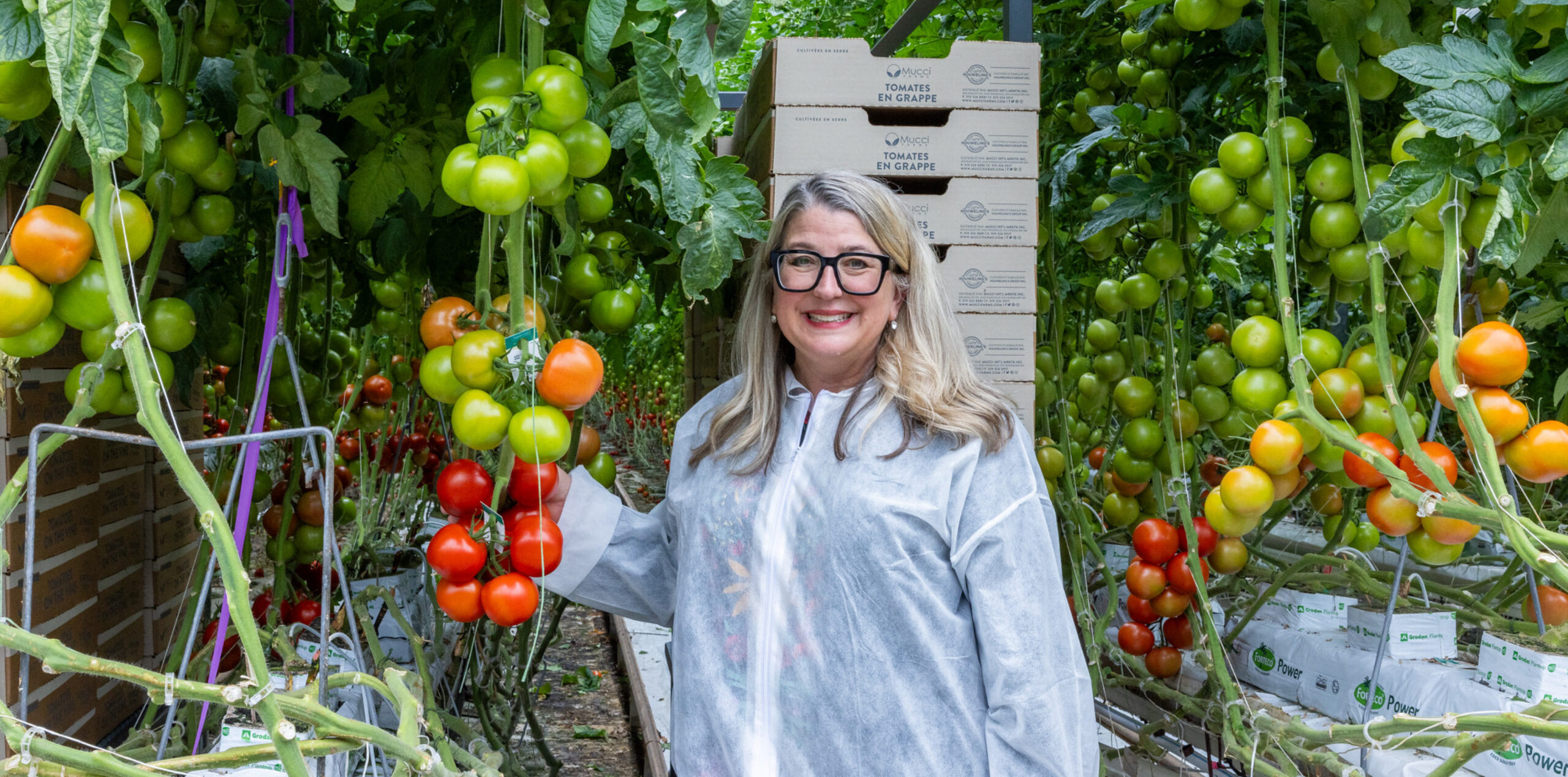
The Buy BC program was one of several initiatives covered in a recent interview with Lana Popham, Minister of Agriculture and Food. She discussed how the Buy BC and Feed BC programs were key in addressing the importance of the B.C. agrifood and seafood industry, expanding the domestic market for B.C. food and beverage products and promoting provincial food security.
“When the Buy BC program was first created, it was simple and effective. Its logo was on shopping bags and painted on barns,” shares Minister Popham. “The program has helped British Columbians to better identify and choose products from B.C. It has grown over time, and the logo has made a great impact. I saw a BC Lions football game against Saskatchewan. Buy BC material was shown on the field, in the stadiums, and on the printed materials!”
For many people, the American tariffs and their impact in the grocery store served to heighten consumer awareness. “People are worried about the cost of food. It’s a global concern,” attests Minister Popham. “There has been a surge of interest every year as consumers decide to choose and buy B.C. products and also overall Canadian products. I am happy to see that.”
The Buy BC program began in 1993, but in 2002, the provincial government of the day discontinued funding for marketing and transferred the delivery and management of the program to the BC Agricultural Council. “The program was shelved by the former government. When I became minister in 2017, I brought the program back,” says Minister Popham.
So how does Buy BC work? Producers, farmers and processors can apply to get the Buy BC logo and add it to their packaging and marketing materials, all for free. For producers and farmers, their products must be 100% grown, caught, or raised in B.C. For processors, their products must have at least 51% processing costs originating in B.C.
Participating in the Buy BC program offers many benefits to farmers, producers and processors. “For participants in the program, it builds customer awareness of products, brings opportunities for province-wide marketing, and expands market share and sales,” outlines Minister Popham.
Since restarting the program, as Minister Popham shares, participation has significantly grown. “After the first year of restarting the program, there were 700 products carrying the Buy BC label. Now more than 11,000 food and beverage products carry the label and are in 400 retail stores.”
So, what’s the benefit to you, the consumer? The Buy BC program makes it possible for you to not only find and buy fresh, quality products but also to strengthen your own community and provincial food system.
In addition to the Buy BC program, the provincial government has also been working hard, through its Feed BC program, to increase the use of B.C.-grown foods in hospitals, schools and other government facilities. “In 2017, I initiated this program. I had travelled around the province and the quality of food came up continually, especially the quality of hospital food and that it was not coming from B.C. Initially, it was low, only 10 to 13% of food products in these institutions were B.C. products. Now it’s up to 70%”, says Minister Popham.
Under this movement to buy B.C. products is the key idea of choosing to buy local which supports the local economy as well. “Right now, it’s a great time to buy local,” shares Minister Popham. “We have an abundance of B.C. products even in the winter.”
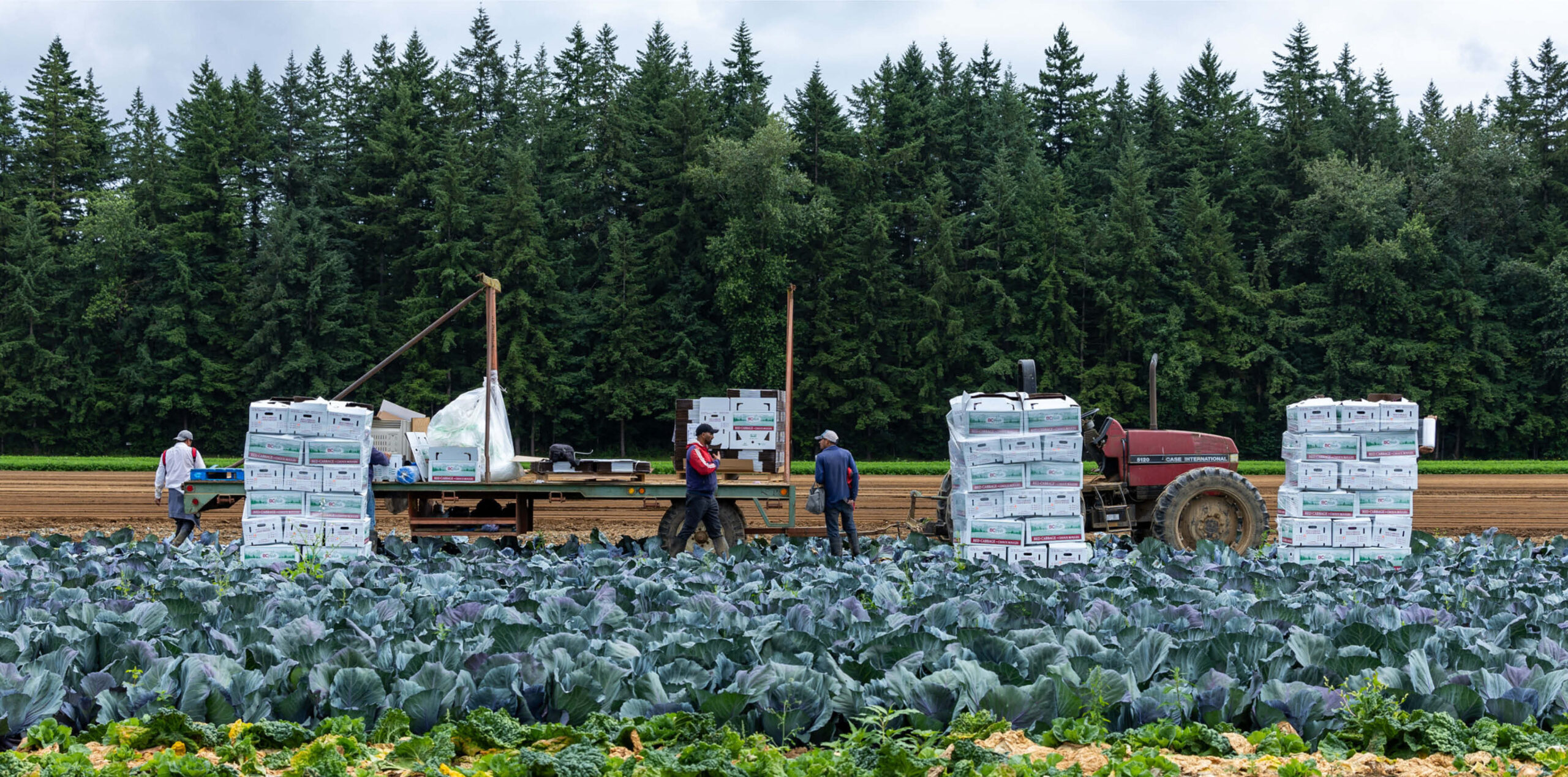
For Peninsula residents, despite the cooler weather, there’s still the opportunity to buy fresh locally grown food at farm stands and markets and grocery retailers. There’s a diversity of fresh, high-quality produce such as winter squash, kale, Swiss chard, leeks, carrots, onions, potatoes and apples. In addition, the Ministry of Agriculture’s website offers recipes related to specific produce in season or using fresh locally grown offerings: https://buybc.gov.bc.ca/.
January is a great time to make resolutions and what better resolution to make than for Peninsula residents to support our provincial food growers and to buy local. The conversation with Minister Popham made it clear that it’s about more than a logo: it’s about being British Columbians and helping those who live here.