Words Jo Barnes
Photos Grace Solkinson
It isn’t your typical learning environment. The classroom floor underfoot is soil; the ceiling, a blue sky. And at the end of your lesson, you might even eat the results!
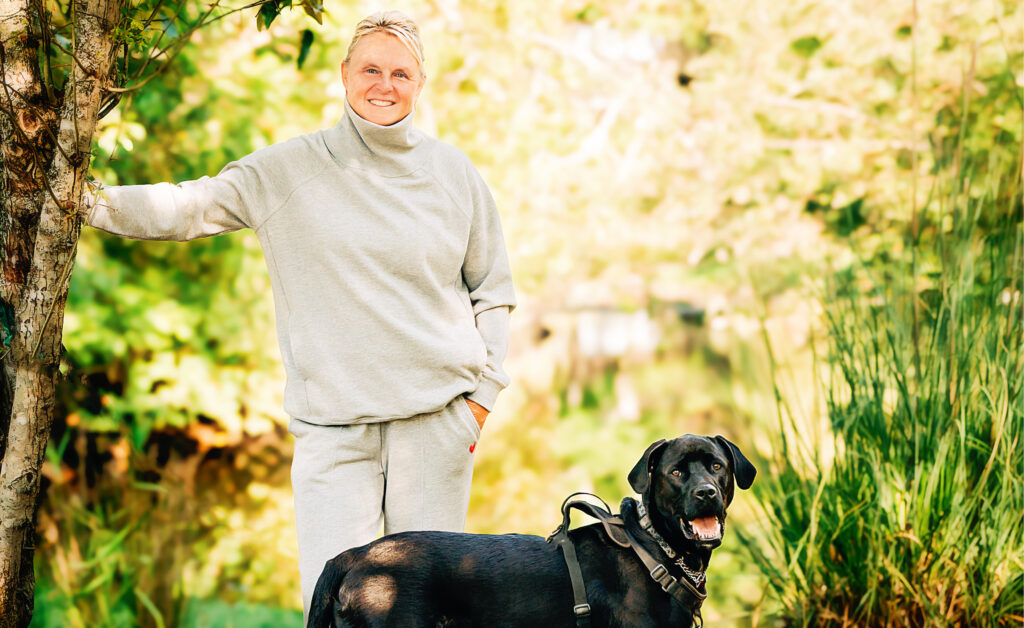
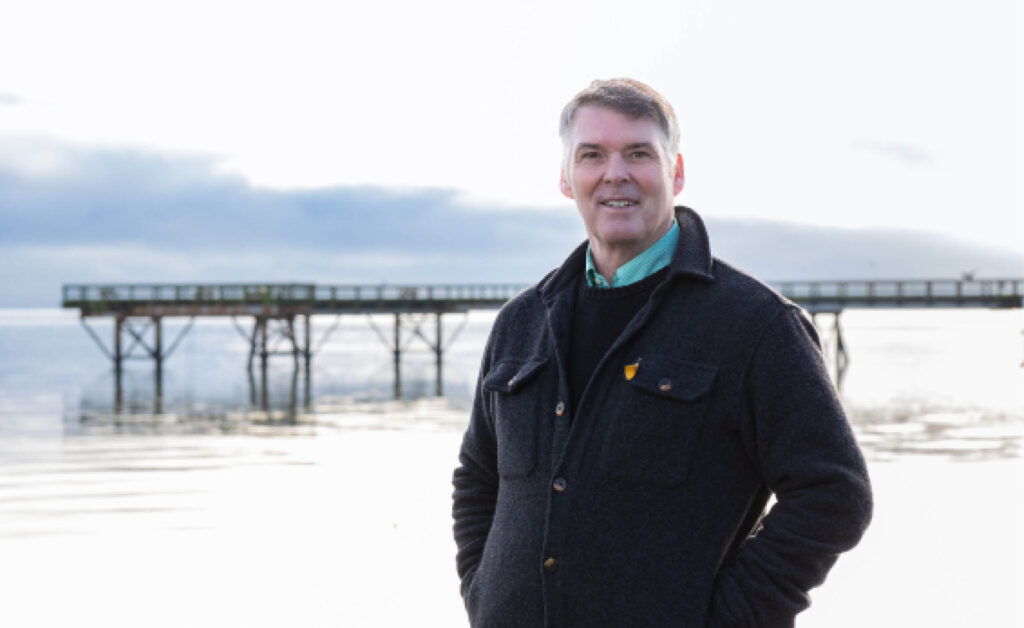
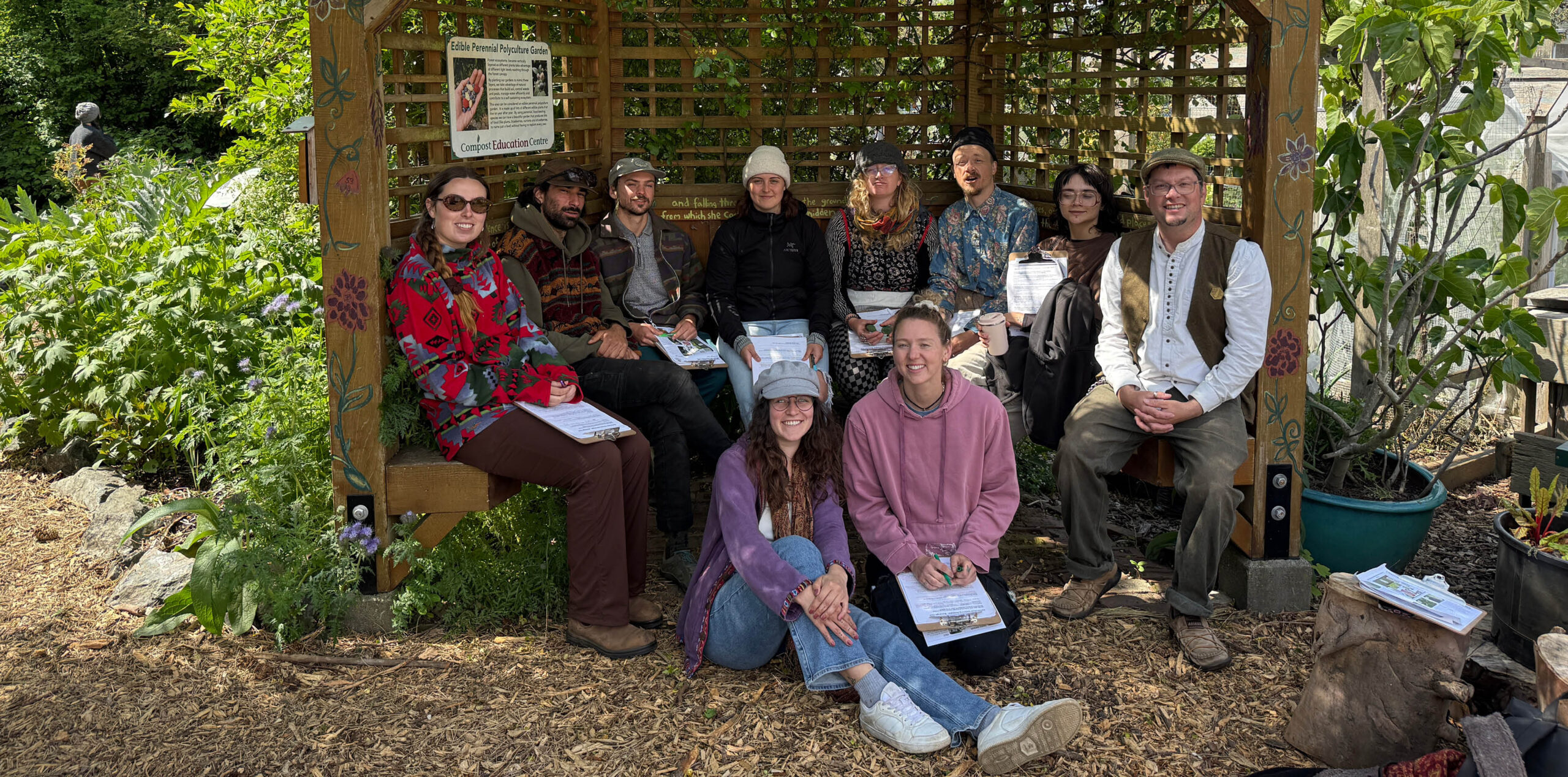
Under the leadership of local educators Delvin and Grace Solkinson, students keen to learn about wholistic agriculture are doing their learning at the Tiny Tree Herb and Flower Farm Campus in Brentwood Bay. Delvin and Grace lead the Permaculture Design and Resilient Ecosystems Certificate Program offered through Pacific Rim College, and their approaches and techniques are impacting and inspiring local farming enthusiasts.
Permaculture is growing in popularity as people are becoming more aware of how it impacts their health, food supply and environment.
“We are training up change makers who learn homesteading skills, growing food, raising animals and other practical skills,” shares Delvin. “I think there is a demand for regenerative methods. People see the value and are making the connection between organic farming and health.”
Grace adds: “I think there’s a growing movement. People are seeing that it’s healthy growing your own food. More and more people are trying to learn how to do this and are also supporting local farmers.”
So, what is permaculture you might ask? It is an approach, design and a system that models nature’s principles with the goal of creating resilience, a harmonious relationship between people and their environment, and food security. “Permaculture is based on three ethical principles: caring for earth, for each other and our future,” relates Delvin.
So, why learn about permaculture? Why is it important? If you’re a backyard farmer, principles of permaculture will reap the benefits of saving money, protecting the environment and building food security. You can begin to catch and store water and use techniques like heavy mulching to retain soil moisture. This greatly reduces watering requirements. How about trying companion planting, where mutually beneficial plants are grown together? Create compost and source your materials locally. All these proactive steps fall under the umbrella of permaculture.
“We have power in small ways to do something that significantly impacts and benefits the ecosystem,” comments Delvin. “You can start local and choose alternate ways to improve your sustainability practice to make a difference.”
Delvin and Grace bring a wealth of expertise. With four diplomas and a Doctoral Degree in this field including studying under the original co-founder of Permaculture, Bill Mollison, numerous advanced courses and teacher trainings, and 25 years teaching in the field, Delvin brings plenty to the table. His wife, Grace, was raised on a farm in western Washington and spent many years raising and caring for animals. “I have a diverse education, studying animal care and systems and herbalism, and took courses in the United Kingdom, the United States and Canada. It all converged into permaculture,” she outlines.
The enthusiastic duo started teaching at Pacific Rim in 2022, with Delvin taking on the position of Dean of the department in 2025. Along with a large teaching team of local experts, Delvin and Grace lead the permaculture certificate program which covers numerous subjects including soil design, plant ecosystems, animal care, ecological restoration, sustainable energy and herbalism. They each teach from their respective backgrounds, Delvin focusing on ecological literacy, and Grace, leading about animal systems, natural building and food preserving.
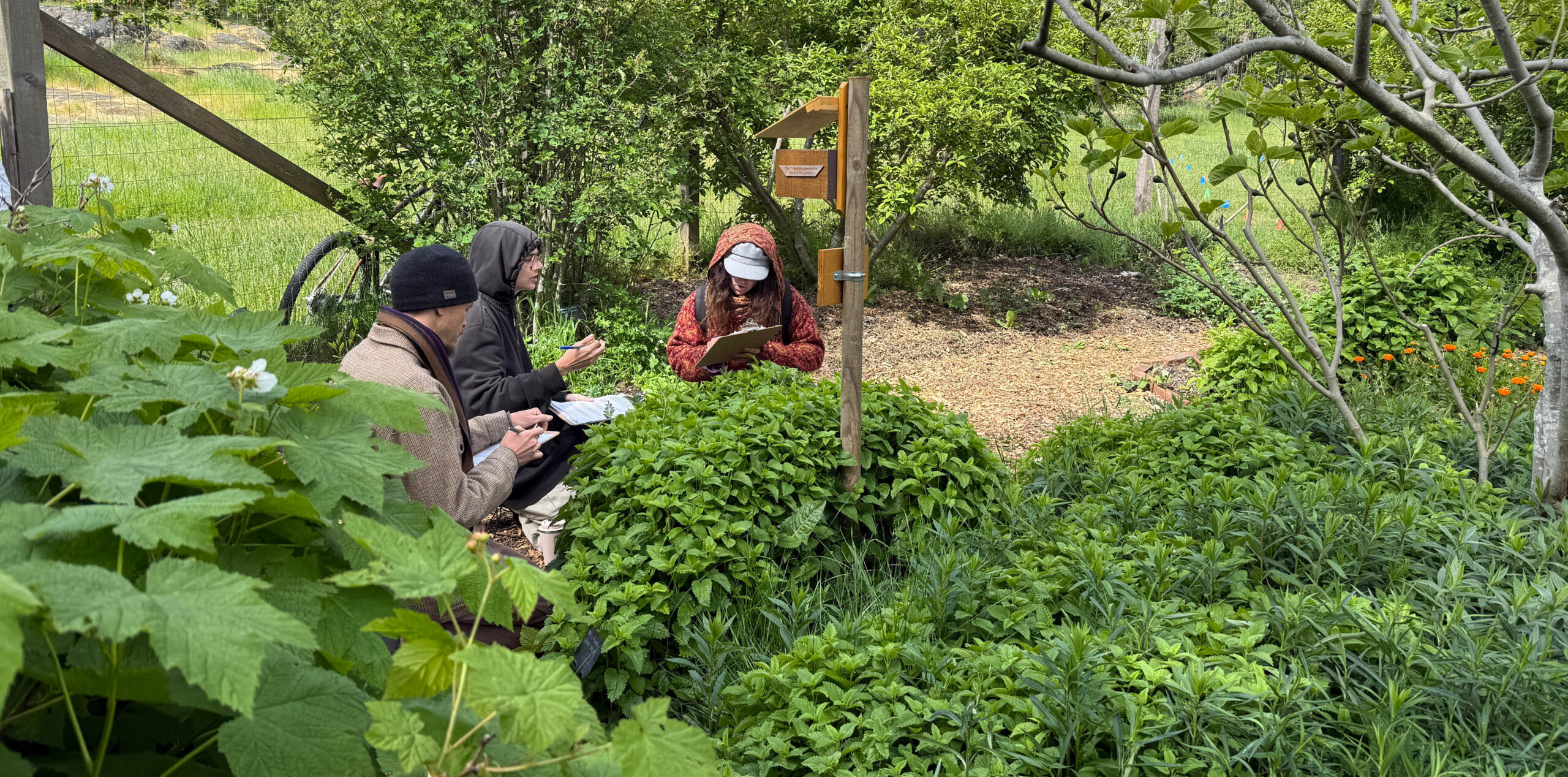
Students learn about the seed cycle, maintain a small farm site, perennial gardens, and animal systems at the Tiny Tree farm campus. They create projects based on the designs they observe in nature, build framework, and do mapping, then reflect and evaluate in terms of what worked well and what could be improved.
The Pacific Rim program is extensive, a 720-hour course, but there are also other shorter offerings available for those keen on expanding their knowledge and experience. “There are lots of smaller programs such as Indigenous-led workshops such as plant walks and wild harvesting,” notes Delvin. “There are also low cost or free one-day events at local farms and gardens.”
As well as teaching, the couple collaborated with more than 20 other experts in the field and recently published a new book, Permaculture Design Notes, which offers easy-to-digest information about permaculture. Download it free at www.permaculturedesign.earth.
The Saanich Peninsula and Greater Victoria areas offer numerous community workshops and practical courses that provide hands-on experience and information about soil building, planting, biodiversity, building resiliency, composting, pests and disease, and seed saving. As Delvin shares: “We encourage people to look into regenerative agriculture and permaculture, get educated, and be part of community initiatives and farmers markets.”
Whether you sign up for a lengthy permaculture program or participate in a short Saturday afternoon workshop, knowledge and experience is time well spent. You might start a backyard veggie venture, oversee a community garden, or teach young children how to plant seeds. Working with the earth and with each other to bring sustainability and community will always be worthwhile endeavours.