Words Richard Hope
Dry January has always struck me as needlessly punitive. The concept, launched by British charity Alcohol Change UK in 2013, asks wine lovers to abandon one of life’s great pleasures during the year’s most miserable month. It’s a hard sell, even if the health benefits are real.
But here’s the thing: the beverage industry heard “moderation” when consumers said “Dry January,” and they’ve responded with something far more compelling than abstinence: low-alcohol wines that deliver authentic flavour at six to 11% ABV.
Non-alcoholic alternatives have been around since Prohibition, when American brewers boiled off alcohol to create “near-beer.” Wine followed decades later, though early versions were notoriously thin and unsatisfying. It turns out removing alcohol also removes body and structure – the very qualities that make wine, well, wine.
Low-alcohol wine solves this elegantly. By keeping some alcohol while reducing it from standard 13 to 15% levels, these wines retain authenticity, structure and mouthfeel. Nearly half of Canadian wine drinkers are actively choosing to consume less alcohol, and the market is increasingly providing better options for consumers.
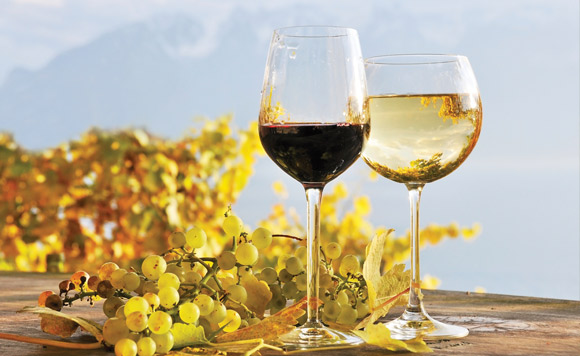
What’s surprising is that some of the best low-alcohol wine options have been around for a long time. German Rieslings represent perhaps the pinnacle of naturally low-alcohol winemaking. From the steep, slate-covered slopes of the Mosel Valley, these wines have been celebrated for centuries for achieving remarkable complexity at just seven to nine percent ABV.
The secret lies in cool climate viticulture. Mosel’s northern latitude and vineyard elevations allow grapes to develop intense flavors and pronounced acidity while maintaining lower sugar levels. When fermented, these lower-sugar grapes naturally yield less alcohol, producing wines with excellent clarity and layers of fruit and floral notes. Funnily enough, B.C.’s climate is also highly suitable for similar wines, with Rieslings from Unsworth and Tantalus well worth checking out.
Portuguese Vinho Verde offers another naturally low-alcohol option, though with an entirely different character. These wines from Portugal’s lush Minho region are a bit lower in alcohol (nine to 11% ABV), with high acidity, a slight effervescence and refreshing citrus and green apple notes. The grapes for Vinho Verde are harvested early and quickly bottled, producing wines meant to be consumed young. They are light, refreshing, and ideally paired with seafood or spicy foods.
Bartier Bros over in Oliver, B.C., produce a light piquette that is an interesting take on low alcohol wine. Piquette was traditionally the cheapest wine available in ancient Rome. Known as Lora, it was a lower-quality wine made from grapes that had already been pressed once for wine. Today, Bartier Bros produce a light and refreshing wine that is enhanced with carbonation and, coming in at a low ABV of 4.2%, it’s perfect for the January blues.
The beauty of low-alcohol wines is that they don’t demand sacrifice. You can enjoy a second glass at dinner without worrying about the morning after, or pour freely at a weekend lunch without writing off the rest of the day. They’re wines that fit into life rather than requiring adjustments to accommodate them.
Whether it’s a crisp Mosel Riesling, a zesty Vinho Verde, or one of B.C.’s own low-alcohol offerings, these wines prove that moderation doesn’t mean settling for less. It just means being more thoughtful about what you’re drinking. And that’s a resolution worth keeping long after January ends.
Recommendations:
Tantalus Riesling
Tantalus are coming up to 100 years of operations in 2027 and continue to produce light, refreshing white wines from British Columbia. Perfect with a charcuterie and a cheese board.
Aveleda – Casal Garcia Vinho Verde
A white wine bursting with notes of citrus. Surprisingly excellent with tonic or as a light cocktail.