Words Jesse Holth
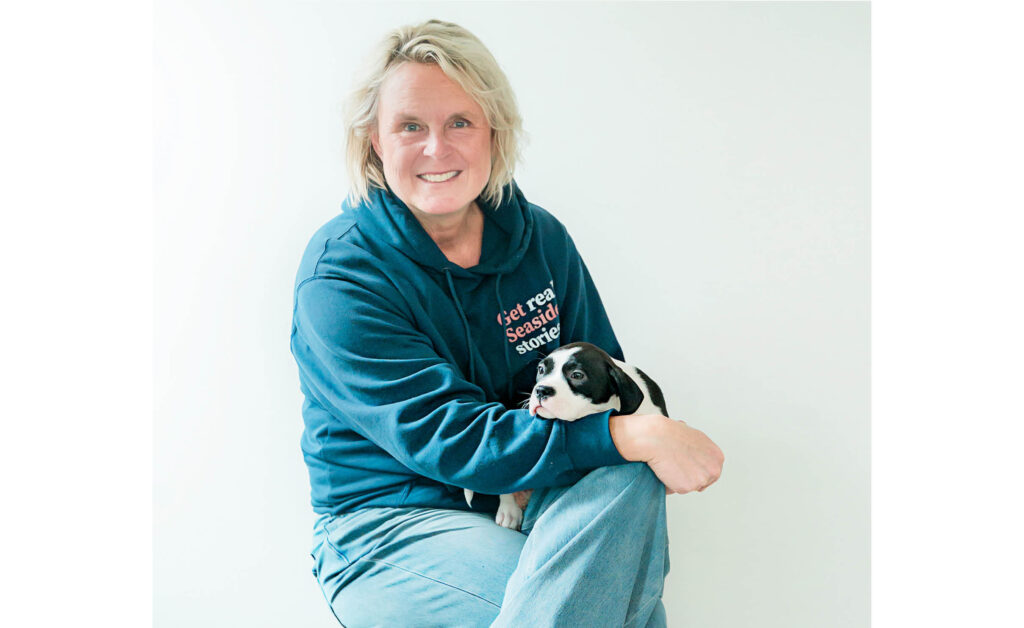
Photo Sarah Hartley Photography
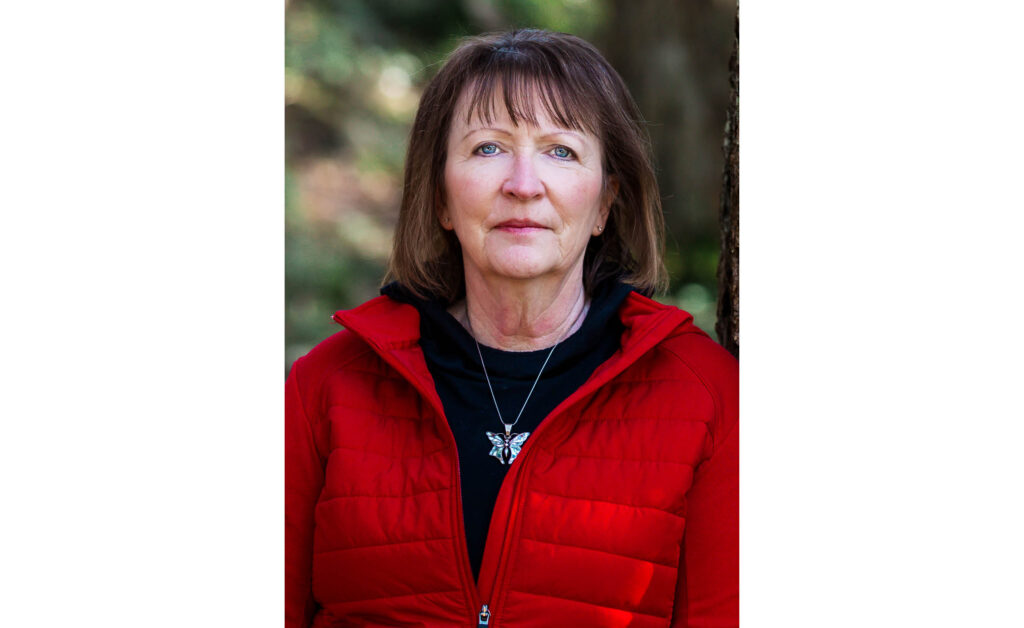
Local resident Wanda Gray has an important message to share. Through her book, Broken Butterfly, she chronicles her late daughter’s journey through trauma and addiction.
Can you tell us a bit about your personal story and the book you’ve written?
Writing has always been very therapeutic for me, and when I began to recover from the deepest part of my grief journey, I felt I needed to get our story down “on paper.” I did not want people to forget about Erin, her artistic talents or the contribution she made to bettering the lives of friends she made while in treatment programs. At the time, I did not know how cathartic it would become, or how our experiences would lead to helping others with their trauma and recovery. I wrote this book from a real and raw perspective, detailing exactly what happened. This story aims to engage the reader, foster understanding and compassion for people who use drugs and their families by removing the stigma, and create a safe place for other parents experiencing the loss of a child under these circumstances. And to wake up the public to the perils of human trafficking in their own communities.
You said writing the book came naturally, but not easily – you had to relive all of the trauma, from both your daughter’s point of view and your own. How did it transform from a personal project into an educational tool for raising awareness?
It was an exercise in determination – I lost sleep, questioned everything, and the worst part was reliving those first many months and years of raw grief. That kind of pain is something only a parent who has lost a child can feel – it is indescribable. But I did my best to express that raw and honest pain because I knew others were going through it. There is no place lonelier than believing no one truly understands the implications of your child dying from overdose or toxic drugs.
Reliving the experience through Erin’s eyes was important to me as well because her daily life differed, and there is so much misunderstanding about what someone who uses drugs feels. By going through her journals and all our shared texts and emails, I came to understand her addiction better. Even though I was terrified to release such deeply personal parts of our lives, I always felt a gentle “push” to keep going, truly believing Erin was my guiding light through it all.
I really wished I had this book to read while we were going through the worst parts: her going missing, the search without law enforcement help, her rescue, and the subsequent PTSD and addiction that followed when she was finally free from captivity. And then the part I had to do without her: trying to survive losing her and making sense of it all. The realization that our story might actually help others shifted my focus from memoir to resource. It had morphed into part elegy, true crime chronicle, and self-help manual.
Your daughter had trauma around sex trafficking – part of your mission is to educate people about the dangers of luring and grooming. What do you want people to know?
Sex trafficking is a highly lucrative “business,” making even more money for the perpetrators than drug dealing. There is no investment, less risk, and the only requirement is to have no conscience (I call it having no soul). Vulnerable girls and young women (and boys, who are also victimized) can be relatively easy to source, groom and put into the trade. I, along with many hard-working organizations, would like to shine a bright light and expose these types of criminals, teaching the public what to look for so potential victims can keep themselves safe through awareness and education. Intuition plays a big part in my story; I kept ignoring mine and instead listened to well-meaning but unaware people advising me what to do.
You said your daughter would have died in captivity if it wasn’t for a bystander – how can people recognize the signs when someone needs help?
Again, I would emphasize intuition. Ignoring a situation doesn’t make it go away and adopting an attitude of “I don’t want to get involved” can result in a life ending. In my experience, the signs are there: fear, avoiding eye contact and signs of physical abuse and/or lack of nutrition. Traffickers work hard to keep victims compliant and hidden, but Erin recognized a brief opportunity to appeal for help, knowing she risked her life by doing so. Fortunately, her rescuer did not turn a blind eye and listened to his own “gut” that something wasn’t right. I detail that night and day after her rescue in my book.
It’s important to stop judging people who are struggling with addiction. Of the many people you’ve met who use drugs, they were all dealing with some kind of trauma
– how can we treat trauma and addiction together, not separately?
Although every situation is different, trauma of some sort has been shown to be at the root of people’s pain. And everyone processes trauma differently. In my opinion, many drug rehabilitation programs treat addiction as a physical illness without investigating the root cause of the dependency. If that trauma is not sourced and treated with in-depth mental health treatment, that deep emotional pain remains and it becomes a vicious cycle. The problem is that effective mental health and addiction treatment requires extended time. Currently, we use a “wash and repeat” system that treats the addiction, provides minimal outpatient follow-up care, and sends the patient back to treatment with the same emotional pain that caused the relapse. A full long-term wraparound program must be in place, giving patients access to qualified mental health professionals skilled in deep trauma treatment and, simultaneously, health professionals who treat the physical aspects of addiction – managing withdrawal, detoxification and prescribing appropriate medications. And it needs to be affordable. This is a major hurdle.
It often surprises people exactly who might be caught in a cycle of drug use, from small communities to big cities to the corporate world. Can you explain?
Not all people who use drugs are what you typically see in the news or on the streets. You often hear friends, family and co-workers say: “I had no idea,” when someone they know is discovered using drugs. Recreational drug use differs from addiction, a chronic condition involving intense compulsion despite the negative consequences. And recreational drug use can lead to addiction. The signs can be subtle and most people who use drugs are so ashamed of their need to use that they become experts in hiding it. This is where decriminalization can lead to greater resources for access to help, less shame and fewer people dying alone. I’m not an expert on how this would all be administered, but I do know that less shame would likely have saved my daughter’s life and she would not have died alone because of that.
You now speak publicly about the book, your story, your mistakes and the changes that are needed to prevent this from happening to other families. What resources exist for people supporting loved ones through addiction? Or those struggling with the loss of a loved one due to addiction?
I have provided valuable resources in the back of my book, including informational videos and websites as well as help for families with a loved one currently using drugs and for those who have lost a loved one to drug use. I had access to a free grief support program called Healing Hearts through Moms Stop The Harm (MSTH), a network of Canadian families who have been impacted by substance use related harms and deaths. Since Broken Butterfly published, there is also a phone help line in place through MSTH as well as a substance use support line in B.C. Reaching out for help can be very difficult for some but many of those resources are peer-led. You might be surprised how understanding and supportive the person on the other end will be. Everyone has to start somewhere. Many of those resources weren’t available when our family went through what we did so I am grateful there are places to reach out for help. However, much more work remains because this is still a growing epidemic and families are losing loved ones every day.
You mentioned that the situation around addiction, overdoses and trauma worsened when mental health institutions were closed – what happened?
Several mental health hospitals in B.C. have a history of closing. For example, Riverview Hospital in Coquitlam closed in 2012, leaving patients to end up in hospital beds, homeless or in jail. There are other examples, but this history shows a rapid decline in help for thousands of people needing mental health and addiction support. Homelessness is trauma itself. We see the result in the number of overdose deaths among people who have nowhere to go, as temporary shelters are full or perceived as dangerous by some who try to access them. Relief from the deep emotional pain exacerbated by homelessness and drug use becomes understandable.
We can look to Portugal for a successful model to reduce drug-related deaths – the combination of decriminalization, harm reduction and a focus on healthcare has resulted in less drug use, overdoses and street crime. How can we design our system after their example?
The program Portugal adopted could be a blueprint for our system to follow. The country’s decision to shift from a criminal justice system to a public health approach significantly reduced overdose deaths, increased treatment intakes, reduced incarcerations, and created employment. The government made the bold move of stepping aside to allow health professionals to design an effective model. Any government that studies this model in depth will also see the documented proof that it has saved billions in criminal justice and health care and it has spurred a healthier economy.
How can individuals help? What are some actions we can take?
Write to the MLAs, MPs, the B.C. Minister of Health. Push for action to keep people alive with evidence-based pharmaceutical alternatives so people won’t die while waiting to enter the proposed recovery sector, which is moving far too slowly. Share our story, become better listeners, foster compassion and take action by helping to remove the stigma of drug use. To dissuade sex trafficking, it is key not to turn a blind eye to this criminal activity. It may feel too shocking, distasteful or unbelievable that this could possibly be happening in our own backyards, but it is happening – and it is growing at an alarming rate. Educate your family, pay attention, and report any suspicions you may have. Make your community uncomfortable for the monsters that do this.