
Words Dr. Ashlee Albright, Peninsula Veterinary Hospital
With spring in full bloom, many people and their pets are spending more time in the great outdoors to take advantage of the warmer and longer days. My own pets, a geriatric tabby cat and a young cavalier King Charles spaniel, seek time outside in the safety of my fenced yard. While both love to munch fresh grass shoots and sniff a floral breeze, my cat prefers to lounge in the warmth of a sunbeam on the porch while my dog is in constant motion, chasing insects and European wall lizards. As we enjoy the stimulation and comfort that more daylight and warmer temperatures bring, it is prudent to remember some of the hazards our pets can encounter.
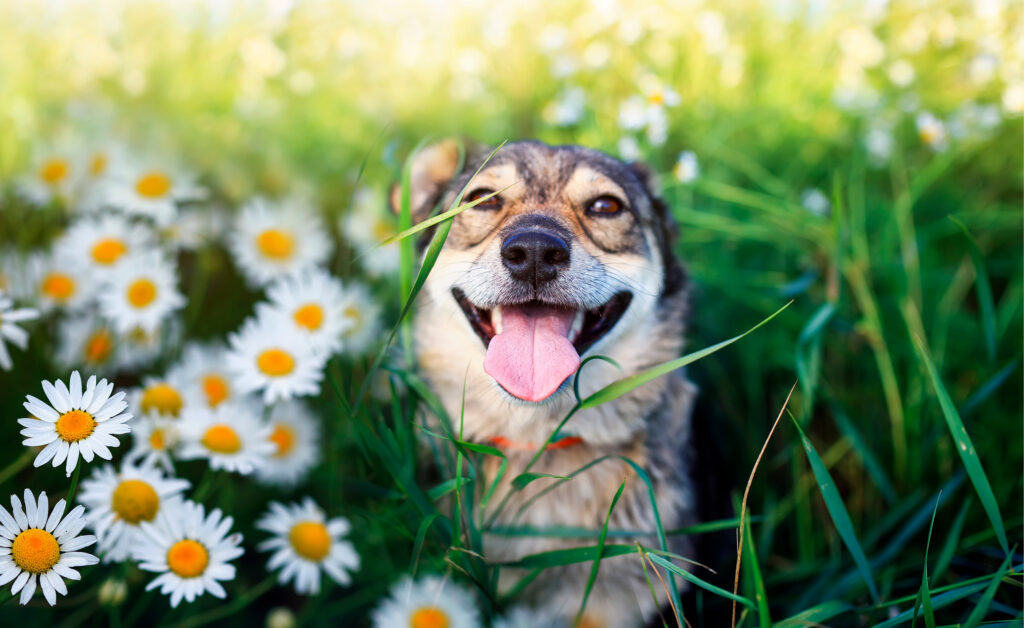
Grass-eating is a natural behaviour for both cats and dogs and may be inherited from their wild ancestors. Many theories exist to explain grass-eating behaviour in pets; however, most veterinarians agree that pets eat grass because they like it! Too much of a good thing, however, can be a symptom or a cause of other problems.
Excessive grass-eating can be a pet’s instinctual response to painful stomach problems such as an intestinal blockage or acid reflux. If a pet is eating grass to pass the time when they spend long stretches of time alone, perhaps they are under-stimulated and bored. Eating grass can also land a pet in trouble if the grass is contaminated by recent application of pesticides and/or fertilizers, or if the grass harbours infectious organisms like parasitic eggs. Eating large amounts of indigestible grass all at once can also cause an intestinal obstruction! While most pets can safely nibble the green stuff in moderation, it is best to avoid contact altogether after herbicide/fertilizer application and to give pets a monthly dewormer.
While most of us admire gardens with our eyes and nose, quite often our pets would rather treat outdoor plants and flowers as their personal buffet! While some plants can be safe if ingested (eg. forsythia, camelias, pansies or violas, snapdragons, nasturtiums, creeping thyme, sword fern, coral bells), some plants are highly toxic and should be avoided. True lilies such as the Easter lily are highly toxic to cats, causing acute kidney failure and death if not treated immediately. Every part of the lily plant is toxic and even licking a small amount of pollen warrants immediate veterinary intervention! Rhododendrons and azaleas are also very toxic, causing stomach upset and dangerous effects on the heart and central nervous system. Hyacinths and daffodils cause vomiting, diarrhea, tremors and heart problems.
Dogs often follow their noses to soil amendments like bone meal and blood meal. Ingested bone meal can cause painful pancreatitis and stomach obstruction as large amounts will compact into a solid mass in the stomach. Blood meal, an organic fertilizer, causes stomach upset, pancreatitis and iron toxicity if it is fortified with iron.
The Greater Victoria region has a high urban population of deer and fawning season runs from mid-May to the end of June. During this time, fawns can often be found hiding in tall grass, shrubbery or residential backyards while their mothers forage nearby. Protective does will often charge, stomp and kick dogs that they perceive to be threats to their fawns. It is especially important to be on alert for wildlife and keep dogs leashed during this time of year, even in urban neighbourhoods.
Being aware of common outdoor hazards isn’t meant to deter us from venturing into nature with our pets. My hope is that we feel empowered to explore and unwind with our furry companions while keeping safe from injury and illness!