
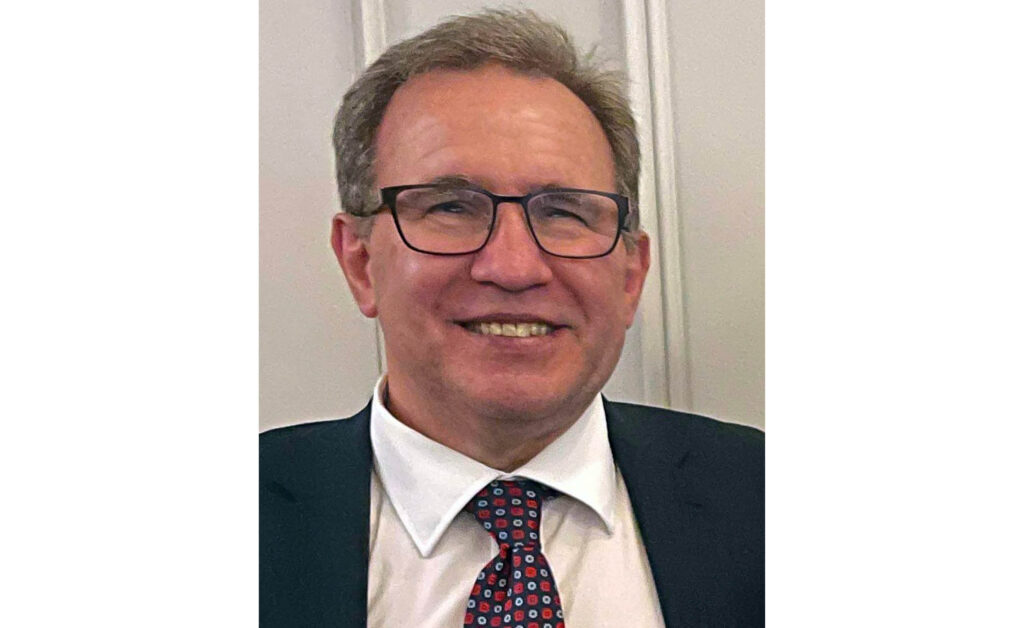
Words Richard J. Welland MHSc, PhD, RSLP, S-LP(C)
Registered Speech-Language Pathologist, Owner/Operator, Talk in Action
A speech-language pathologist walks into a stroke patient’s hospital room …
If that only sounds like the beginning of a bad joke to you, then consider yourself lucky. If you have had a stroke or know someone who has had one, that opening sentence might be all too real.
Many people are surprised to learn that speech-language pathologists work with adults. The following are some of the reasons that adults might need or want to see a speech-language pathologist:
• Having had a stroke or other brain injury, you suddenly find it difficult to understand what others say, to understand the written word, to speak, and to write what you want to say.
• You find it increasingly difficult to recall the names of people, places, and things, and to participate in everyday conversations.
• Having had a traumatic brain injury, you find it difficult to concentrate, to keep up with conversations, to remember to do things, to stay organized, and to make decisions that were once easy.
• Your speech is not clear enough for others to understand and/or has an unnatural rhythm to it.
• Your voice often sounds rough, breathy, or hoarse, is too quiet or too loud, too high or too low in pitch, or there is no voice at all.
• You repeat sounds, words, or both, prolong sounds, “get stuck” when trying to say certain sounds or words, and avoid saying certain words, speaking to certain people, and/or speaking in certain situations.
• You have difficulty swallowing liquids, solids or both, such that food and/or liquid “goes down the wrong way,” gets stuck in your throat, or both.
Just as you would expect a physician to examine you before making a diagnosis and prescribing treatment, speech-language pathologists complete an assessment before they diagnose a speech, language or swallowing disability and begin treatment. The nature and length of assessments can vary, depending upon several factors, including the nature and severity of patients’ speech, language, and/or swallowing disabilities, their health status, and their ability to maintain attention.
After completing their assessment, speech-language pathologists work with their patients to develop a tailor-made treatment plan to meet their speech, language, and/or swallowing needs and goals. Speech-language intervention can take many forms, including:
• Working with patients one-on-one to make their current way of communicating and/or swallowing more effective and/or more efficient.
• Working with family members and/or other communication partners to establish and maintain more effective and/or more efficient ways to communicate with patients.
• Recommending regular oral care and the least restrictive diet among regular, texture-modified (e.g., purée) and alternative feeding.
To learn more about what speech-language pathologists can do for adults with speech, language and swallowing disabilities, or to locate a speech-language pathologist in B.C., visit Speech and Hearing BC, at www.speechandhearingbc.ca.