Words Richard Hope
Inside This Year’s Vancouver Wine Festival
This year’s Vancouver Wine Festival was a bit of a solemn affair. Held as always at the Vancouver Convention Centre, the event carried a heavier mood than usual. The industry is going through a tough time with wine sales down globally, and the ongoing provincial ban on American alcohol added to a sense of gloom around the event. Surprisingly, however, there was an American stand promoting a range of wines that used to be widely available in Canada (Meiomi, Bread & Butter and Josh Cellars). I asked the promoter what their strategy was, and he was clear: “We want to remind our neighbours we are still here.” He joked that in order to get around the ban, the Americans had smuggled in the wine for the festival via the U.S. embassy.
Given the mood, it was fitting that this year’s theme was France – a country that rarely needs an introduction on the wine floor – though it posed more problems than you would think. France’s depth of quality meant picking recommendations was a real challenge, and every wine I tasted had something to offer.
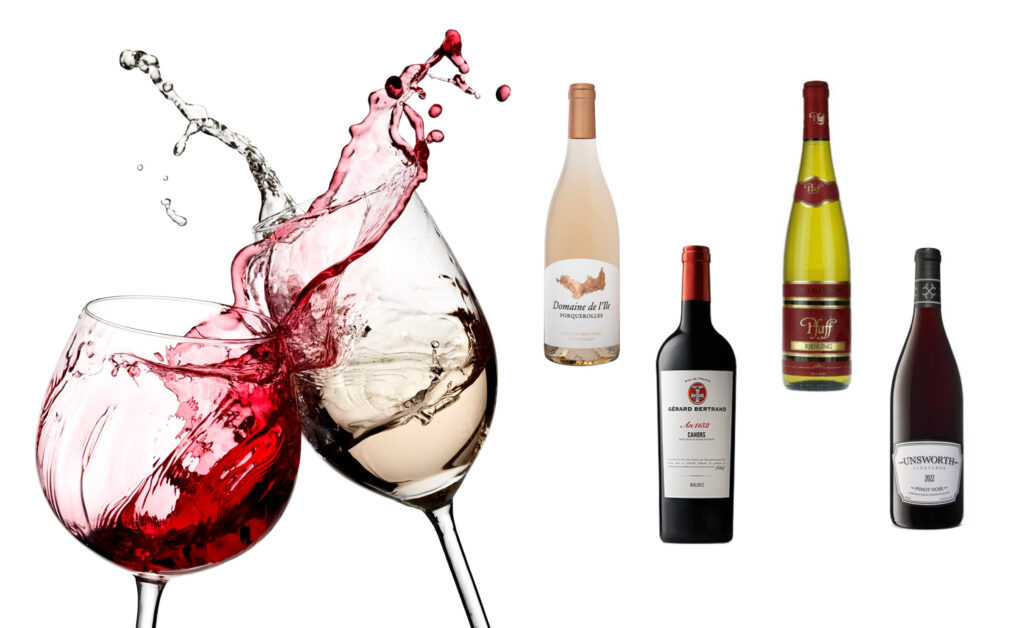
One standout was a Rosé from a small island off the south coast of France. The idyllic Île de Porquerolles is part of the Îles d’Hyères, and with just two vineyards on the island, it has a particularly unique terroir. Owned by Chanel, Domaine de l’Île produces wines that express the elegance and beauty of the Island. Their 2023 Rosé was a pale salmon in the glass, with a delicate nose of strawberry and rhubarb that gave way to a dry, mineral finish with a faint saline edge. As spring begins in British Columbia, this is a perfect wine for afternoon sunshine.
On the first day of the festival I was invited to attend a seminar on biodynamic wine hosted by Gérard Bertrand, a leader in this field. Biodynamic wine is different from natural wine (little to no intervention in the winemaking process) or organic wine (no use of herbicides or pesticides). Biodynamic agriculture uses organic farming methods but goes further, treating the vineyard as a self-sustaining ecosystem and following an astrological calendar to guide planting, pruning and harvesting. The approach has its skeptics, but there is no arguing with the results. Bertrand’s wines are outstanding, and priced accordingly. A standout was his Malbec, which, although largely associated with Argentina, originated in Cahors in southwest France. The wine had a deep red colour with rich layers of dark plum, cherry and a subtle earthiness on the finish. Perfect with a steak.
Another series of outstanding wines will be well known to B.C. customers. The Pfaff portfolio of wines from Alsace produces an excellent range of Riesling, Gewürztraminer and Pinot Gris. You’ll notice the German names here. Alsace sits on the border with Germany, and as a border province, it shares many German traditions, including grapes considered “German.” The wines this producer showed were some of the best at the event. For the B.C. palate, their Pinot Gris is a dry white wine with a lower level of alcohol, making it more fruit-forward and easy drinking. Their Riesling, which is slightly sweeter, has more punch, making it a great accompaniment to pasta dishes or enjoyable on its own.
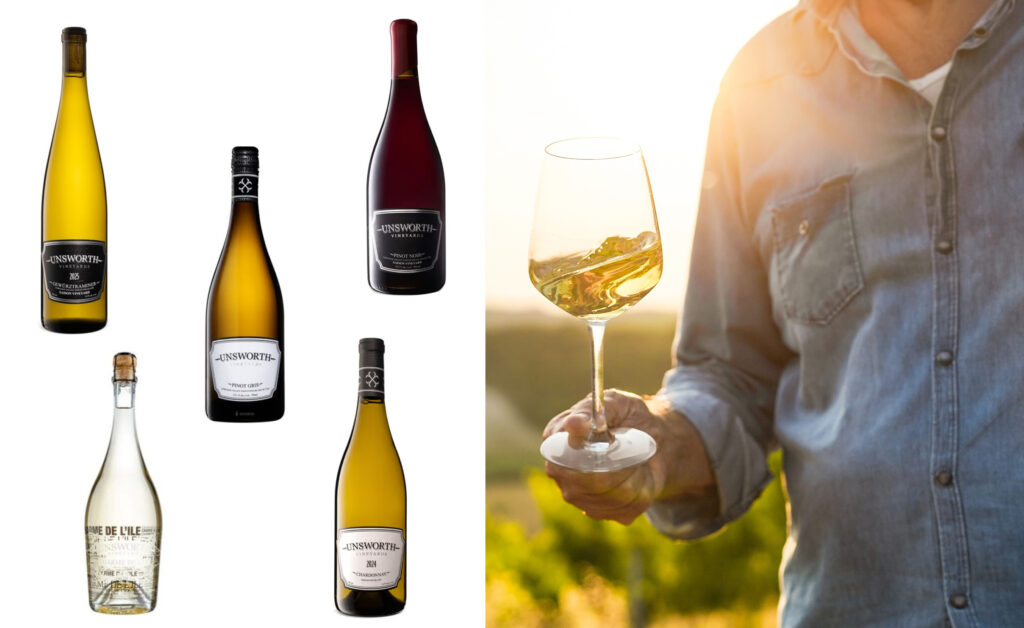
Local wines were well represented at the event, and it was encouraging to see them holding their own alongside the French contingent. Unsworth on Vancouver Island had a great range of wines, including their latest Pinot Noir. Bringing that unique Vancouver Island terroir, Unsworth’s Pinot Noir is crafted from the best grapes, producing a wine with lighter notes of strawberry and warm spice.
Despite the gloom that hung over the industry this year, the quality on the floor told a different story. Whether it was a Chanel-owned rosé from a Mediterranean island, a biodynamic Malbec from the birthplace of the grape, or a Pinot Noir from Vancouver Island, the festival was a reminder that great wine still finds its way to the glass, trade disputes and all.