

Words Janice Henshaw
Most of us are diligent about regular car maintenance and dental appointments, recognizing the importance of prevention. Yet, when it comes to routine home care, we often resort to an “Avoidance and Hope” philosophy, especially if we’re on a tight budget.
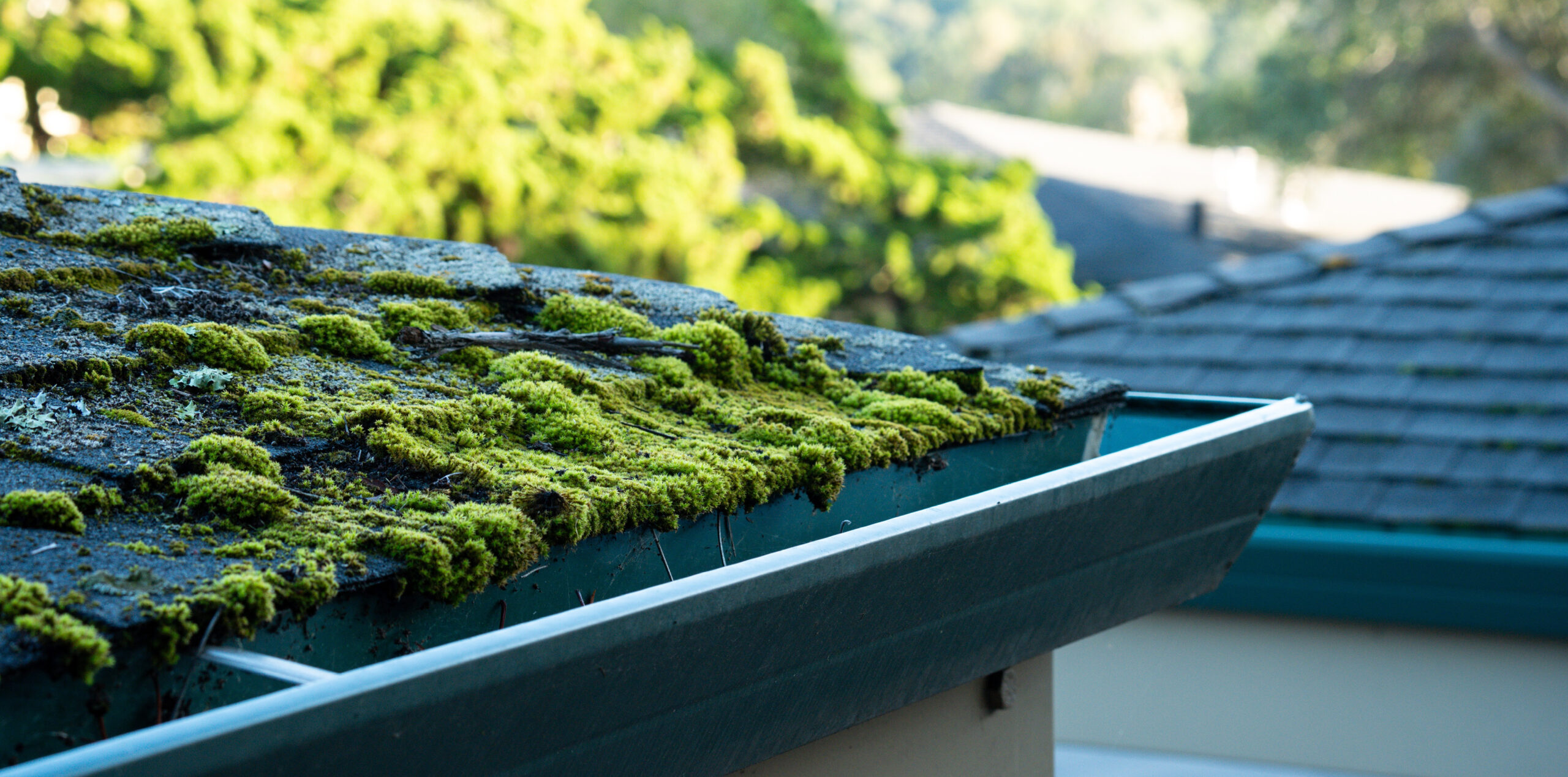
If we only look up at our roof once, when we purchase the house, we may not look up again for a long time. That would be a mistake. Metal roof maintenance prevents premature aging, rust and water leaks. As for north-facing asphalt shingles, we might be surprised by the growth of a puffy green moss. Will the sun burn it off? What damage can it really do? Perhaps the moss will provide an additional layer of “natural” roof protection, effectively creating an environmentally-friendly “living” roof? Unfortunately, no. Roof moss settles between the shingles, holds moisture and slowly damages the protective surface. Over time, that absorbent moss becomes a very effective tour guide for water. It shows each raindrop the quickest route under the shingles and into the structure below. Limestone filler in shingles is a tasty food source for moss or the blue-green algae that causes black streaks on roofs.
Climbing up to check on a slippery roof is risky – for even the fittest of homeowners – and explaining such a fall in the hospital emergency room is not a fun way to spend the day. Hoping that extra 1,000 pounds of moss won’t cause a leak on a dark and stormy night is an extreme version of the “Avoidance and Hope” program!
However, there are ways to clear moss in the early days. Using a high-pressure washer may seem like an easy fix but according to a roofing expert, that will remove the granules from roof shingles, which will shorten their lifespan. A better option is to call a recommended professional roofer who can safely remove that “decorative moss” and provide an estimate of when the roof needs to be replaced. Now the homeowner has a clear plan and sufficient time to start putting money aside for a new roof when it comes due, which might be far down the road. They can rest easy knowing the structural integrity of the roof is sound.
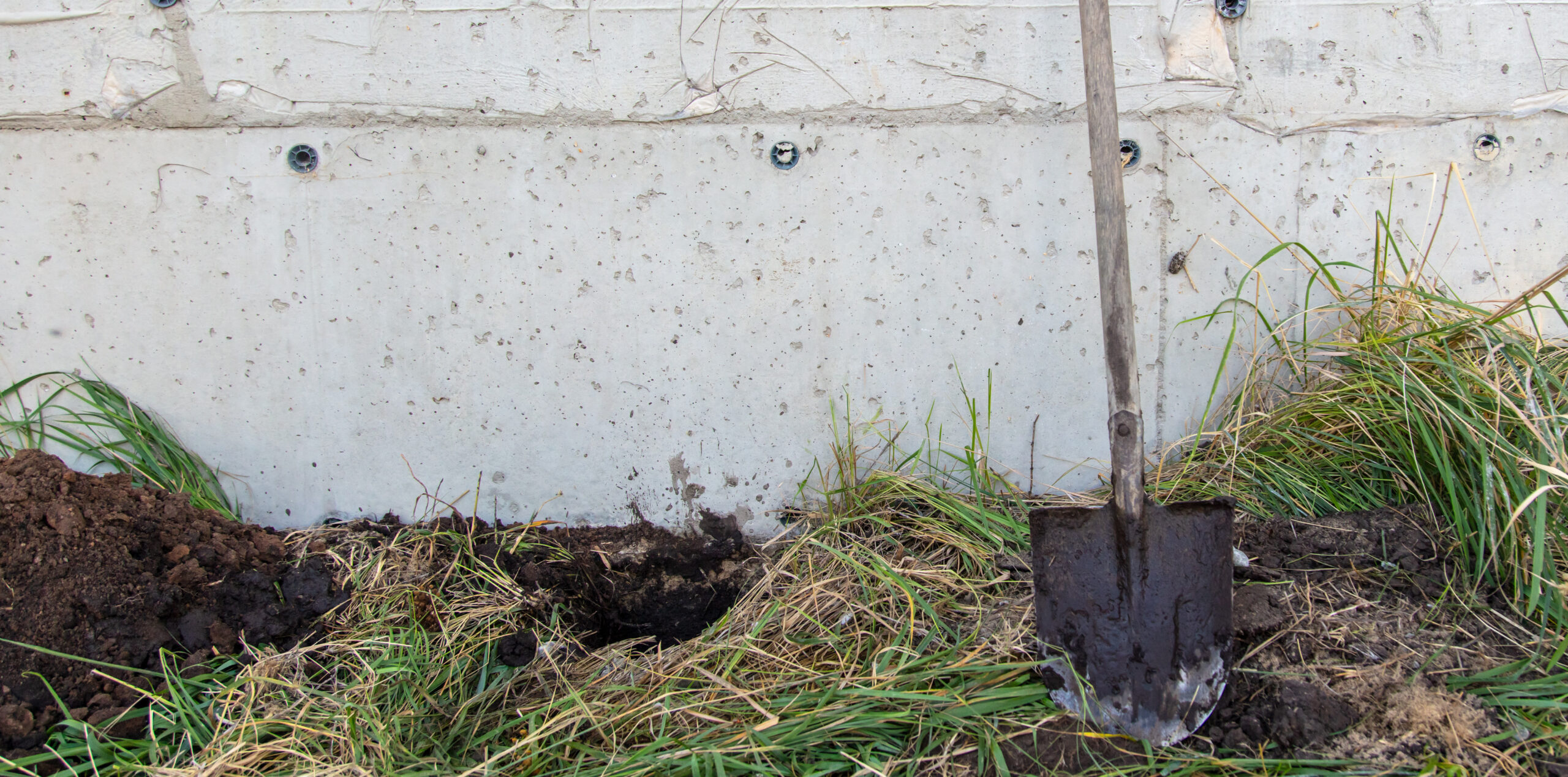
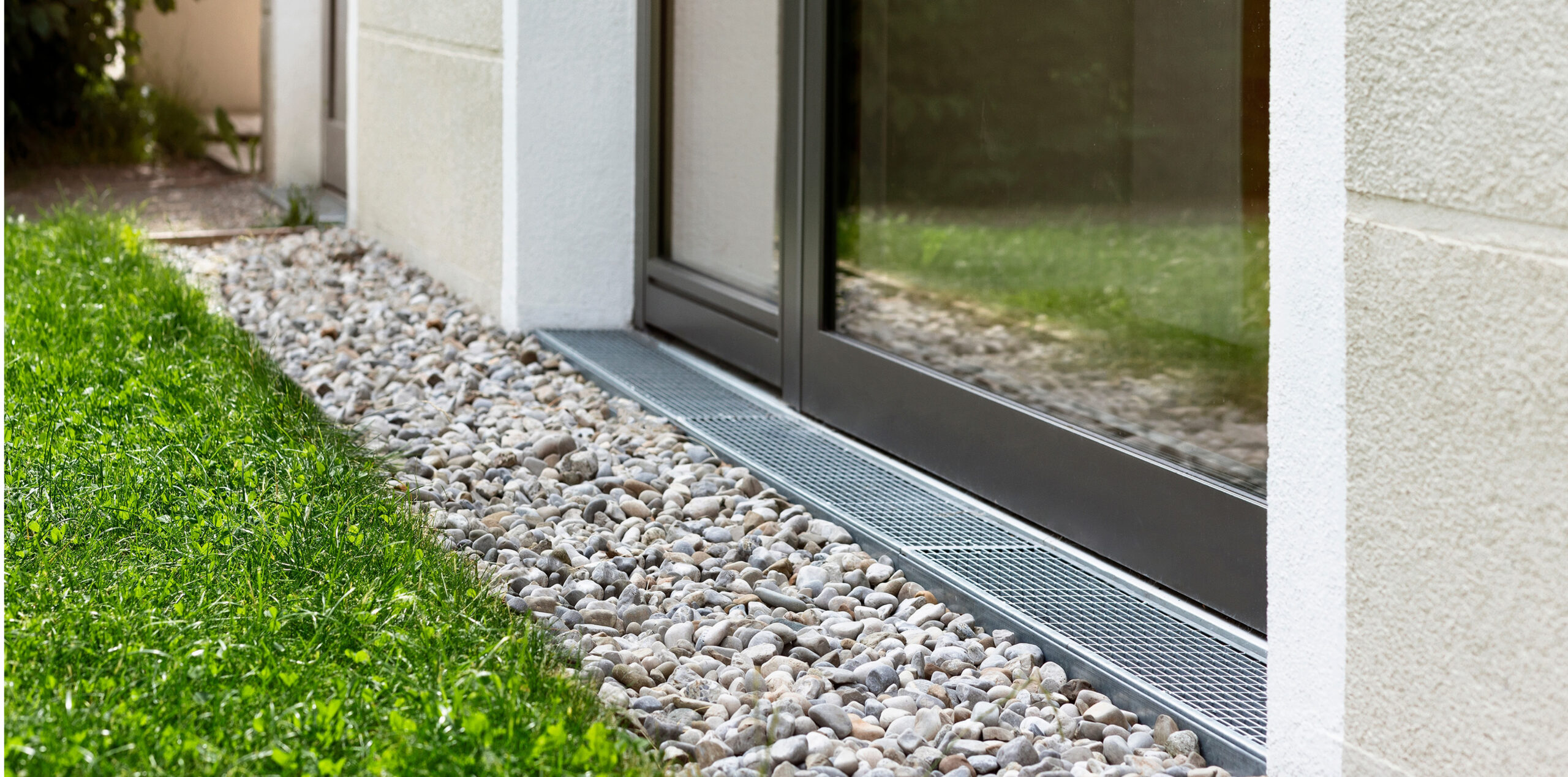
Perimeter drainage is essential for healthy homes, especially when our water tables are high and an atmospheric river comes streaming along. Along with tree roots, dirt and debris can cause blockages in perimeter drainage, or the system can experience structural damage due to age or soil pressure. Downspout extensions and perimeter drains use sloped trenches, gravel and pipes, or simply gutter extenders, to divert heavy rain and groundwater away from foundations, preventing flooding, erosion and structural damage (every district has its own rules).
Here’s a great conversation opener – instead of discussing politics or the latest in decorating “ins and outs,” you can ask someone whether they have weeping tile drains, swales, or even French drains, and, if so, when was the last time they had them checked or cleaned? Hmm … asking about their summer vacation plans might work better?
Let’s move inside to check out that extra-high-humidity room – the bathroom (in this case, we are lucky if we don’t have too many of them!). I used to own an older house, and one day I noticed that the ancient stains on the lower-level ceiling looked damp, as if they were new rather than something from the past. It turned out that the main toilet had a long-standing leak that, over the years, had partially rotted the wooden structure underneath. It was a miracle, all right, a miracle that the toilet and its occupant hadn’t fallen through to the floor below!
Have you seen that interesting stuff spreading on the shower walls and the caulking between the tiles and the shower base? Is it mildew or mould? Apparently, mildew is the lesser of two evils – they are both fungi, but mildew looks greyish white and may turn brown. A little bleach will clean that up. Mould can range from small black areas to red or green patches; all these areas need to be cleaned, and the ventilation and humidity corrected.
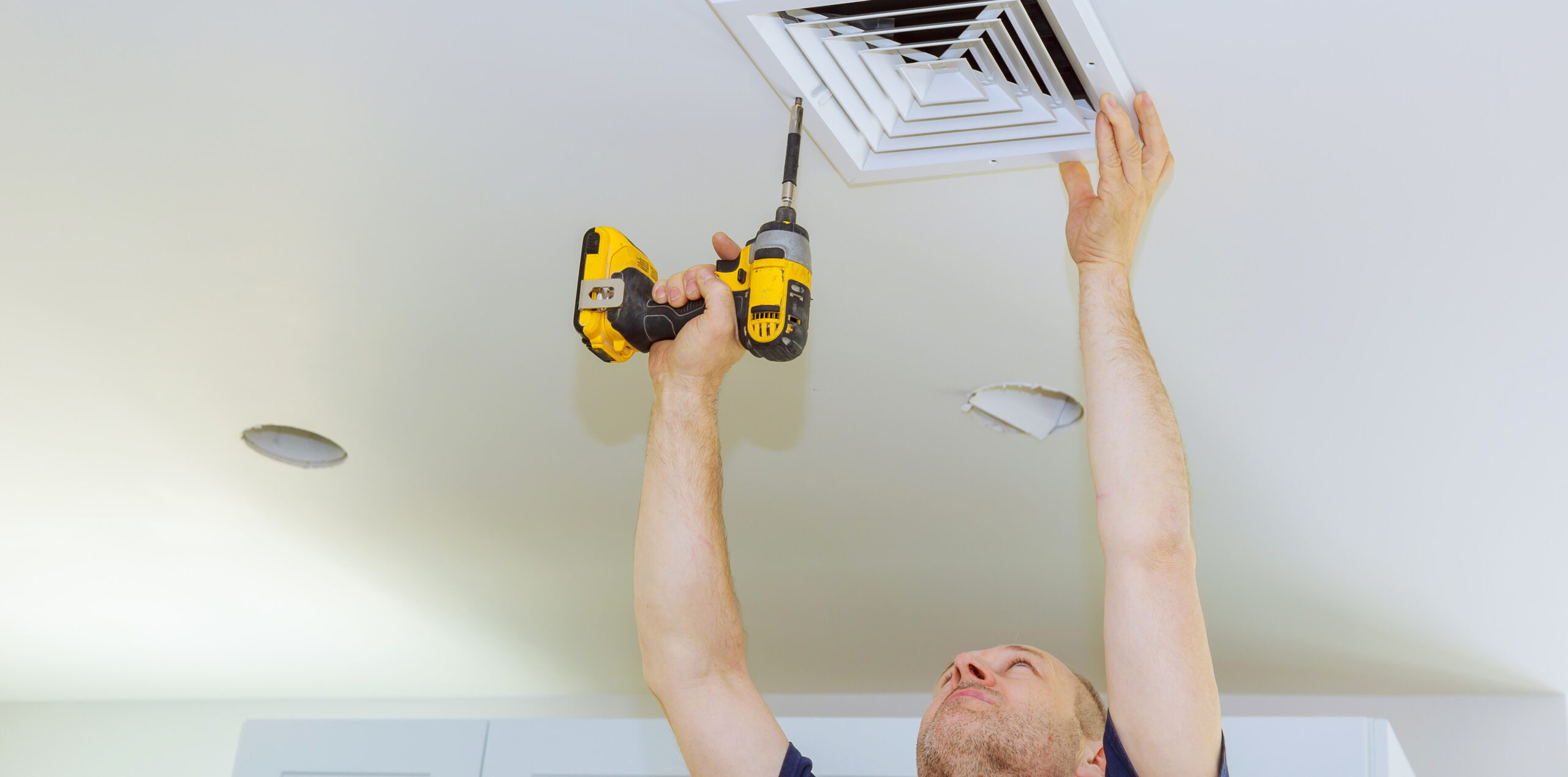
To start with, how about that noisy bathroom fan? What is it for if it’s not doing its job? It sounds busy and useful, but is it vented outside, or did someone take a shortcut and duct it into the attic? High humidity from multiple showers needs to find a path outside, not into the attic. But who wants to check ventilation in that dark space? I was always afraid that if I popped my head up there, I would see a pair of beady black or ruby-red eyes glaring back at me!
Giving ourselves time to address repairs or renovations helps us find a real expert with references, experience and integrity. A second, or even a third, quote ensures we get high-quality work at a fair price. Governments and businesses award contracts after thoroughly vetting bids; we need to do the same.
A final point is that lack of maintenance can also cause problems when selling a house. Owners are required to disclose known problems, such as ongoing leaks, chronic humidity or structural concerns, or they could be liable for repair costs later. Here’s an example of an inspection confession: During a walk-through, the seller is asked “Has the house ever had water in the basement?” Answer: “Not since we put the boxes up on shelves.”
Well, that’s enough horror stories for now! The question is, how do we figure out what we don’t know about these issues. I spoke with Tye Startek, VP of Business Development at Flintstones Design & Build, a local award-winning construction firm, to see if he could provide some answers. Tye says: “A healthy home requires regular checkups of key systems. This ensures consistent, proper function and avoids larger repairs or replacements.” A short list of considerations for older houses in coastal climates includes perimeter drains, roof condition, tree impacts, wiring, plumbing, bathroom ventilation, decks and foundations. By learning the age and condition of each system and seeking expert advice when needed, we can address small issues early.
Proactive attention keeps our homes strong and comfortable, gives us peace of mind, and frees up money for what we enjoy, rather than costly emergency fixes. That old proverb – A stitch in time saves nine – works for our home repairs too!