
Words Joan Saunders
These days when I head to the grocery store intending to just buy a few things, I often emerge having spent much more than I anticipated.
Prices are high and, of course, I’m trying to buy products that are local and Canadian; it’s definitely not easy to eat well on a budget.
The problem is finding a balance between the meals I plan to make and what is affordable. I don’t want to give up what I love to eat and the enjoyment I have in cooking and baking, but often I find myself scanning the sales receipt in amazement as I leave the grocery store.
I used to shop almost daily, with no real strategy other than purchasing something that inspired me as I randomly wheeled my cart through the aisles. Now, I find that I save money and time if I follow some personal guidelines in order to eat healthily and well while trying not to be overwhelmed by the prices.
I make a plan and shop less often. I keep a list that I add to as I notice items in the cupboards that need to be replenished. It’s a good idea to scan flyers and see what’s discounted, then build a weekly plan around the sale items. Then, with my week’s meals sorted, I go through recipes I’ve chosen and add to my shopping list. This also creates less waste, which is a clear money saver. I also find that it’s dangerous to shop when I’m hungry, as jujubes and Hawkins cheezies are so darn tempting.
I eat leftovers. I generally know when a recipe will make enough for a few meals, so that’s usually part of the weekly plan. Or, if I make a big batch of stew, I freeze some for another time when
I’m not particularly inspired. The danger is in letting leftovers turn to sludge in the back of the fridge; don’t let a great meal get lost in the dark recesses.
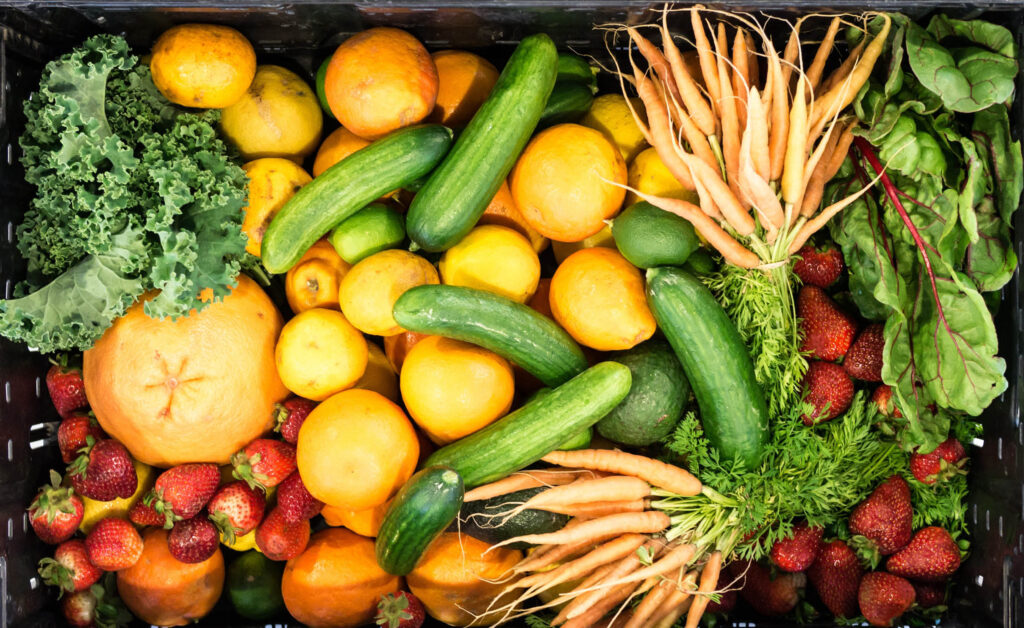
I eat seasonally. When a zucchini arrives on the doorstep try some new recipes. Why not stuffed zucchini, or a zucchini and ricotta galette? Make zucchini muffins and cookies; they’re easy to bake and, if you have the basics in your cupboard, it’s a satisfying and inexpensive way to stretch your food dollar. And support local growers by purchasing what’s abundant and in season. This definitely helps in creating fresh and flavourful dishes.
I make more meatless meals. I use a lot of black beans and chickpeas in recipes, so I stock up on nonperishables when they’re on sale. I also love cauliflower; I purchase them when they’re two for one. Branch out with some new vegetarian recipes. Soups are also a great way to go meatless; a big pot of vegetable soup will last for a few meals and can help use up produce that’s not quite as fresh as it once was.
Finally, if I really want something and it’s not terribly extravagant, I’ll buy it (while still keeping the budget in mind). Good food is meant to be savoured and enjoyed, so I sometimes splurge on a few indulgences while balancing the budget with other purchases.
Food is important; cooking a meal or giving someone homemade goodies means you care as you spent time and energy thinking of them. Food fosters the opportunity for us to slow down and connect, and there’s no price that we can place on that. So set the table, sit down and take the time to appreciate the healthy, budget friendly, satisfying meals you create for family, for friends and for yourself.