
Words & Photos Ann Nightingale, Rocky Point Bird Observatory
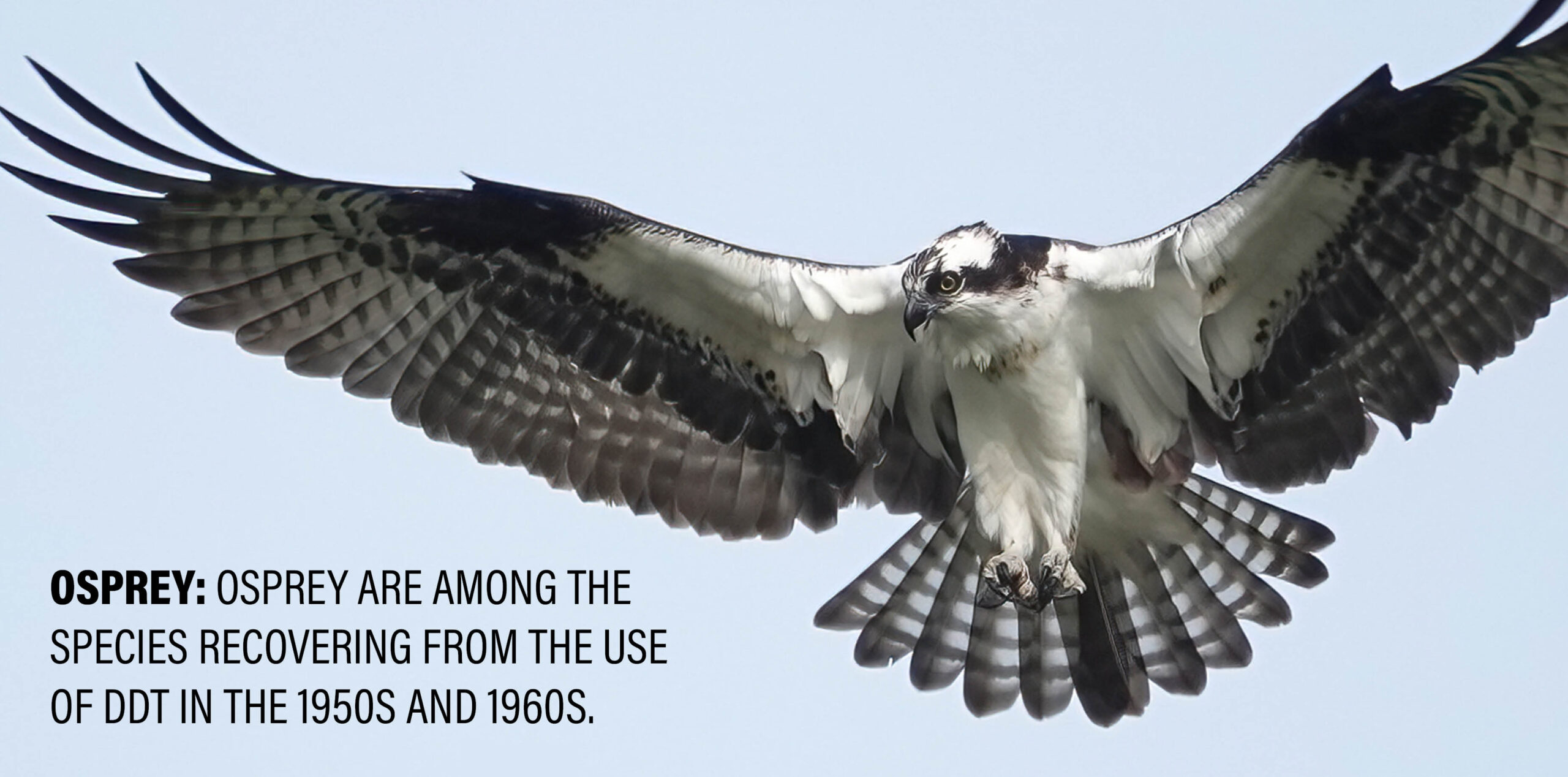
First, the good news: bald eagles, purple martins and trumpeter swans are successfully recovering from low population numbers in the 1900s. The bad news is that the majority of bird species are declining around the world. How do we know this, and how can you help?
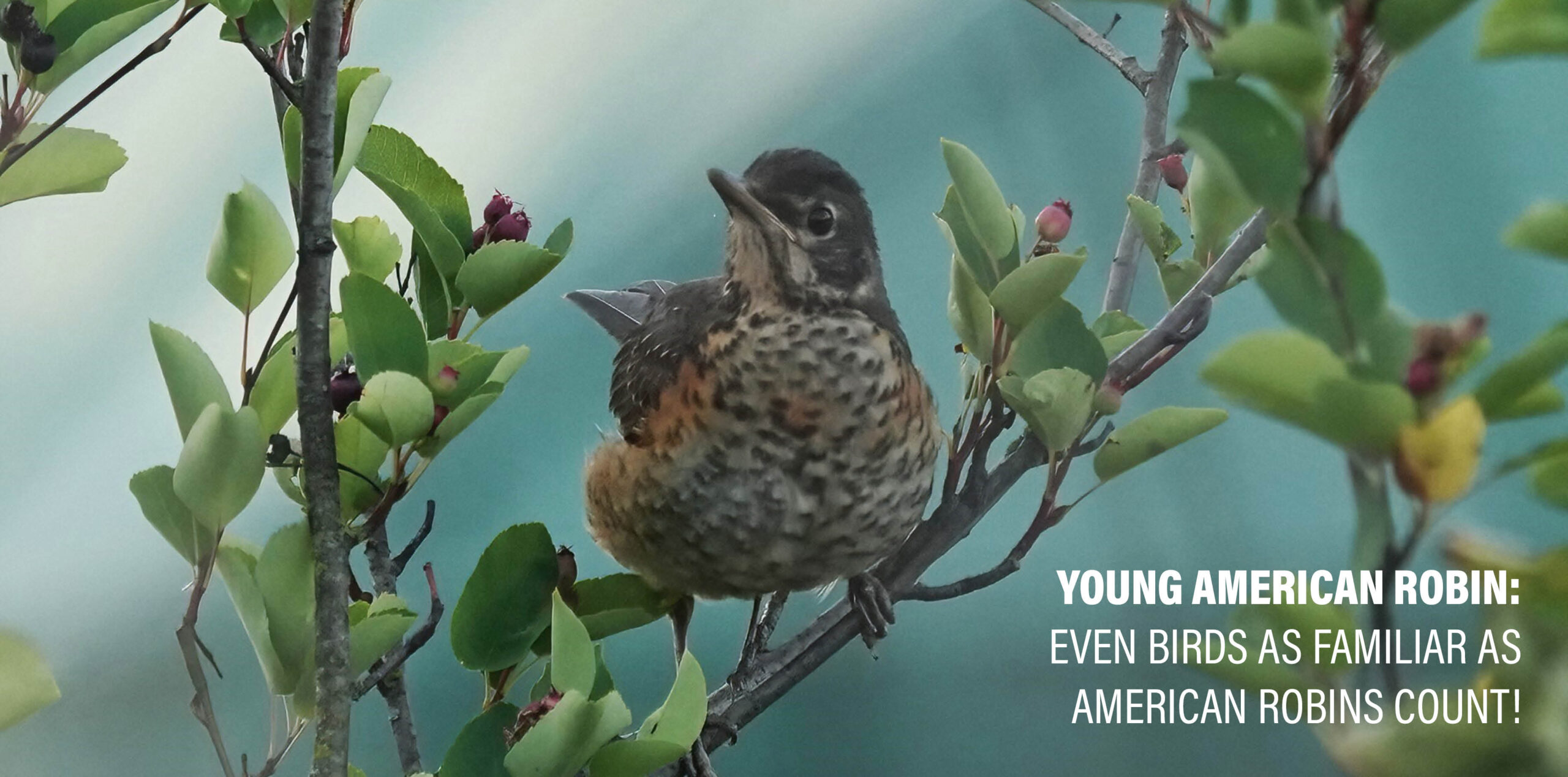
Bird counting is a “thing.” Professional bird counters are usually employed by wildlife management branches of governments, but much of the bird counting in North America is done by volunteers. Launched in 1900, the Christmas Bird Count is one of the biggest citizen science projects in the world. Each winter, in more than 2,500 locations, data is collected.
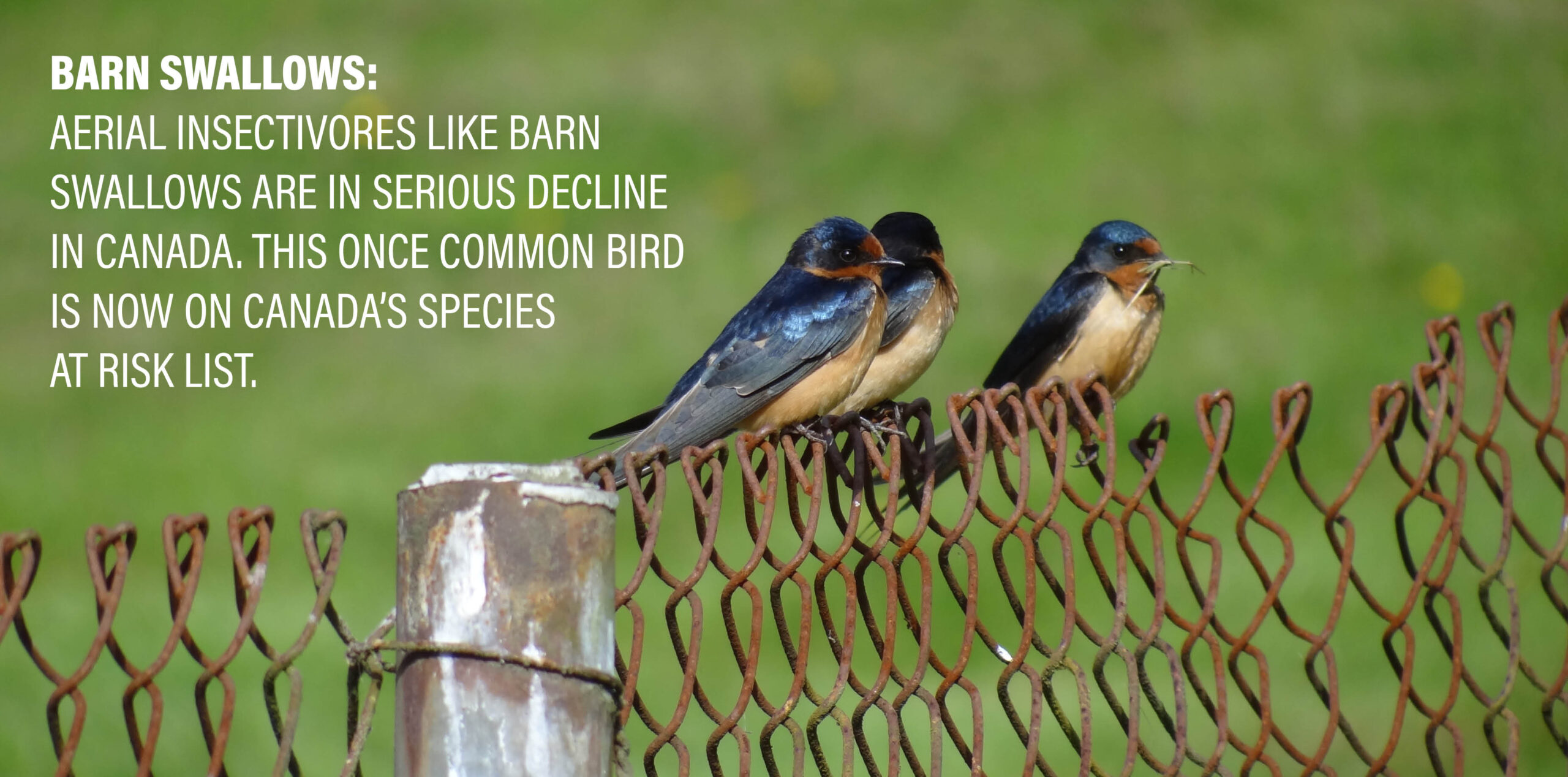
Breeding Bird Surveys look at nesting bird numbers in the summer. Specialized counts are often organized by Birds Canada (www.birdscanada.org) which has programs covering loons, owls, aerial insectivores, nightjars, backyard birds and more.
If you are looking for something a little less formal, there are several standalone apps that will let you contribute your observations directly. Your choice will be affected by your experience.
If you want to help count birds but can’t tell a robin from a chickadee, iNaturalist (www.inaturalist.org) could be your best option. Using their website or phone app, you can snap a photo and submit it as a “bird species.” iNat’s crowd of experts will identify it for you. You may become snap happy, taking pictures of plants, insects and every living thing you come across. iNaturalist wants it all!
If you are interested in birdsong as well as being able to identify birds visually, Merlin might be the right app for you. Phone-based only, you can record songs, upload photos or enter a description of what you saw, and Merlin will present the most likely options for your location and date. It is then up to you to review the options and choose which ones match your subject birds. Merlin lets you save recordings and photos and will create a list of all the birds you have confirmed. It also has a handy “explore” feature that will help you learn more about birds in your area.
If you are on your way (or better) to being a full-fledged birder, eBird (www.ebird.org) is the major player in the bird identification/record keeping field. It requires you to have at least a general idea of what you are looking at (duck vs. gull vs. sparrow, for instance) and prefers you know the name of the birds you are listing. You don’t need to provide photos, but if you do and misidentify something, an eBird tool will offer a new suggestion. Any out of range or rare bird reports will be flagged for verification by a local volunteer reviewer.
If you don’t want to count birds, but still want to help, make your home and yard a safe haven for birds. Include native plants in your yard, add bird safety features to glass surfaces, and protect birds from predators. In the wild, hawks and owls will eat other birds. Fence your yard or bird garden to keep out ground predators like cats, dogs and even squirrels and raccoons. Provide an escape route from avian predators by having a brush pile or dense plantings near your feeders.
There are other bird documentation apps out there, including www.dbird.org where you can report a dead bird you have found. By posting your sightings, even the common ones, you are helping the scientific community keep track of what changes are occurring and where they are happening. More information on bird population trends can be found at https://tinyurl.com/55yu7h4z.